Northeastern Democratic Republic of the Congo is currently facing a deadly Ebola outbreak. For Christians in the area, this comes on top of the suffering caused by ongoing terrorist attacks by the Allied Democratic Forces (ADF). According to local church leaders, the deadly violence is having a devastating impact on Christian communities and church work throughout the region. Many communities have had to flee their homes, churches have closed, and pastors and Christians are facing difficult circumstances. “The situation is bad, but we are still here because of our faith,” Pastor Mumbere of the CECA20 church said.
Jihadist terror
The ADF, a jihadist group, has been carrying out deadly attacks, primarily targeting Christians in northeastern Congo. The group has been active for some time in parts of Ituri province and neighbouring North Kivu province. According to the human rights organisation APDEF, 48 ADF attacks were recorded between May 6th and August 13th 2026. APDEF reports that the attacks left 307 people dead and 103 missing. A total of 216 houses were burned down, 24 motorcycles were destroyed by fire, and thousands of people were forced to flee their homes.
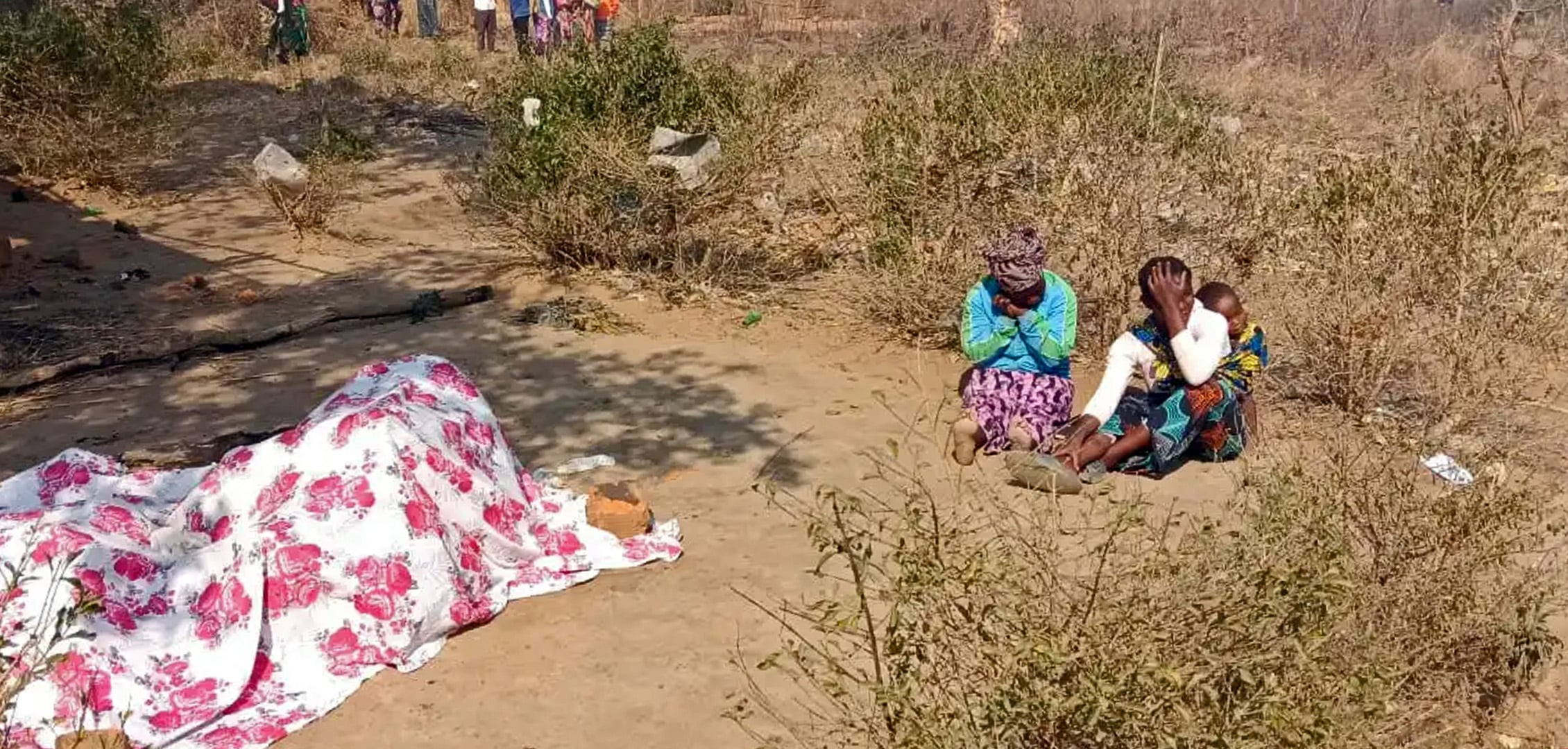
On September, 1st, following field visits to affected communities in the Mambasa area of Ituri province, APDEF reported that ADF militants had attacked at least 15 communities between August 27th and September 1st. At least 43 Christians, mainly farmers, were killed, and around 53 houses were set on fire. Property was looted, and several residents were also reported missing.
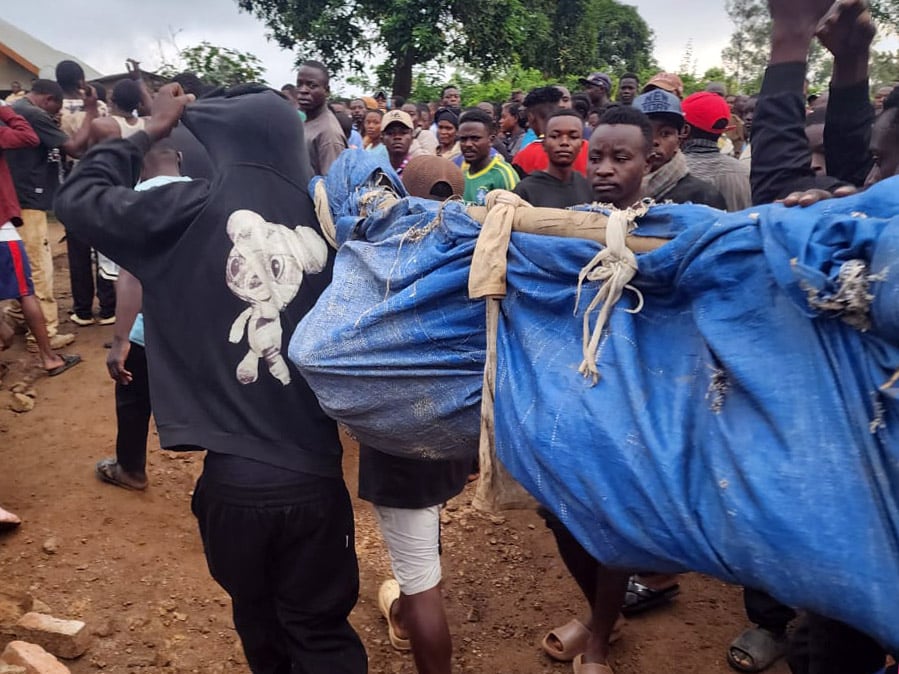
The ADF continues to launch attacks against civilians, despite ongoing military operations by the Armed Forces of the Democratic Republic of the Congo (FARDC) and the Uganda People’s Defence Force (UPDF). “Let us pray for the safety of Christian farmers in the Mambasa area who have fallen victim to ADF extremists,” says Rams Malikidogo of APDEF. He further reports that the bodies of some victims have yet to be buried due to the prevailing insecurity in the area.
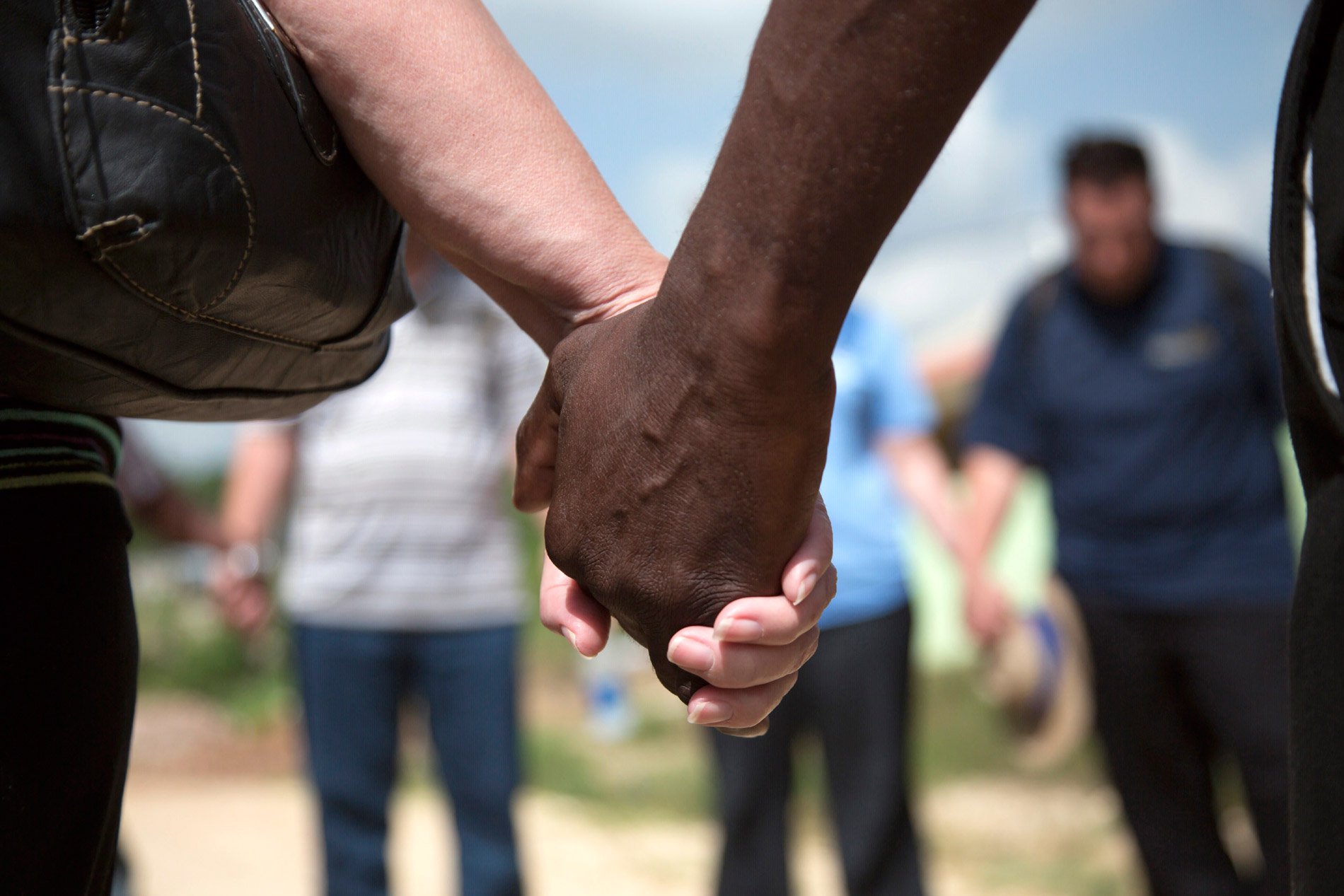
“At present, the church can do no more than support them through prayer and encouragement.”
Pastors forced to flee
Local partners of Open Doors report that a large number of church leaders have been forced to flee to bring themselves and their families to safety. “Pastors have left their church buildings. They are displaced and living in appalling conditions. Their children cannot return to school. “Their children cannot return to school due to a lack of resources,” says Pastor Mumbere.
Pastor Kasereka Biloko of the Baptist Church in Mambasa Centre provides further details about some of the recent attacks. “The ADF attacked on Saturday, August 15th, about 20 kilometres from Badisende, along the road to Mambasa. They killed people, set houses on fire and took several residents hostage. As of October 9th, the village is still deserted.” The attacks have led to a large influx of Christians into Mambasa Centre, where they are seeking safety.
Escaped from captivity
There are also reports of individuals who have managed to escape from their abductors. During the night of September 27th-28th 2026, suspected ADF militants attacked Badisende, leaving two people dead and several houses on fire. Pastor Kambale Kasali, the local church leader, managed to escape with his family. They are now displaced from their home.
Pastor Biloko recounts the escape of his fellow pastor: “Praise the Lord! Pastor Kambale has reached safety with his entire family. He managed to take the church’s musical instruments with him.” The church building itself was not spared. “The ADF forcibly entered the church premises and destroyed all the items used in the celebration of Holy Communion.”
Displaced pastors face numerous challenges. Pastor Kambale Kasali, who escaped, and his family are currently staying with a host family. His children are no longer attending school, and he no longer has access to either his church or his farming activities, which were his main source of income.
“We live by the grace of God.”
Pastor Kakule Kowa, who leads the Community of Baptist Churches in the Beni district of Bunia, explains that the church has limited means to respond to the growing needs of displaced pastors and their families. “At present, the church can do no more than support them through prayer and encouragement.”
Hope in God
The security situation remains critical along the road between Badisende and Mambasa. Fearing attacks, many families have stopped their farming activities. “We can no longer go to our farms and fields. People have congregated in the centre of Mambasa, and the prices of essential goods have increased. We live by the grace of God,” says Pastor Biloko.
He further explains that while Christians continue to attend church services, many are no longer able to give to the church offerings because they have lost their livelihoods. “We are in desperate need. May God’s will be done. We have not given up hope, and we believe that one day God will put an end to the attacks by the ADF,” Pastor Biloko concludes.
What is the ADF?
Following the fall of Ugandan dictator Idi Amin in 1979, Uganda’s Muslim minority lost its political influence, and a radical faction emerged within the Islamic Tablighi movement. A crackdown by the Ugandan government led to the imprisonment of radical leaders, including Jamil Mukulu. In 1995, former Tablighi members joined the National Army for the Liberation of Uganda (NALU) to establish the ADF (Allied Democratic Forces).
The ADF aimed to overthrow Ugandan President Yoweri Museveni, who has held power since 1986, and establish an Islamic state. Military pressure forced the group to retreat into eastern Congo, where it took advantage of regional instability and financed its operations through illicit trade.
Having lost much of its presence in Uganda, the ADF concentrated on maintaining its position in Congo. The group became integrated to some extent into certain local communities through intermarriage, commercial ties and relationships with local residents.
A large-scale military operation in 2014 prompted the ADF to change its strategy, shifting from attacks on security forces to deliberate attacks on civilians. Massacres, frequently carried out using machetes and axes, became commonplace. Following the arrest of Mukulu in 2015, Seka Musa Baluku guided the organisation towards a global jihadist ideology. In 2019, the ADF pledged allegiance to the Islamic State (IS), becoming part of the Islamic State Central Africa Province (ISCAP).
Since then, the group’s attacks have increasingly focused on Christian civilians, churches, religious schools and villages. Methods used include bombings, beheadings, abductions and mass killings.
Ebola outbreak
The northeastern region of the Democratic Republic of the Congo is also facing the deadliest Ebola outbreak in the country’s history. The virus is spreading at a rapid pace, faster than containment efforts can keep up. More than 4,000 people have died, and more than 9,000 cases have been confirmed. In May 2026, the World Health Organization (WHO) declared the outbreak a Public Health Emergency of International Concern.
Some 74% of infections occur in Ituri province, which is also severely affected by ADF attacks. The threat of ambushes and kidnappings along major routes significantly complicates contact tracing and the isolation of sick people.
The ADF frequently targets healthcare facilities and health workers. Hundreds of thousands of people have been displaced by the violence and insecurity in the region. After militants searched for weapons in a refugee camp, all 9,000 residents fled the camp, which was dealing with an Ebola outbreak at the time.
The DR Congo government forces are also fighting the M23 rebels and the newly formed political-military Front for the Restoration of the Nation (FRN). This undermines the efforts of Ebola relief workers, as they are left unprotected and therefore become easier targets for attacks.
DR Congo ranks 29th on the World Watch List.
Please pray!
- Pray for comfort and encouragement for Christians who have lost loved ones and possessions during ADF attacks.
- Pray that Christians will remain strong in their faith and that God will provide for those who have lost their homes, farms and possessions.
- Pray for greater unity within the local church as it responds to the ongoing violence by extremist groups such as the ADF.
- Thank God for protecting the lives of displaced Christians who are now staying with host families in Mambasa Centre.
- Pray that God will make a way for displaced children and schoolchildren to return to school and continue their education.
- Please continue to pray that the Congolese government will take the threat posed by the ADF seriously and do more to protect civilians.
- Pray for the extremists who are responsible for all this violence and suffering.
Thank you for your prayers!