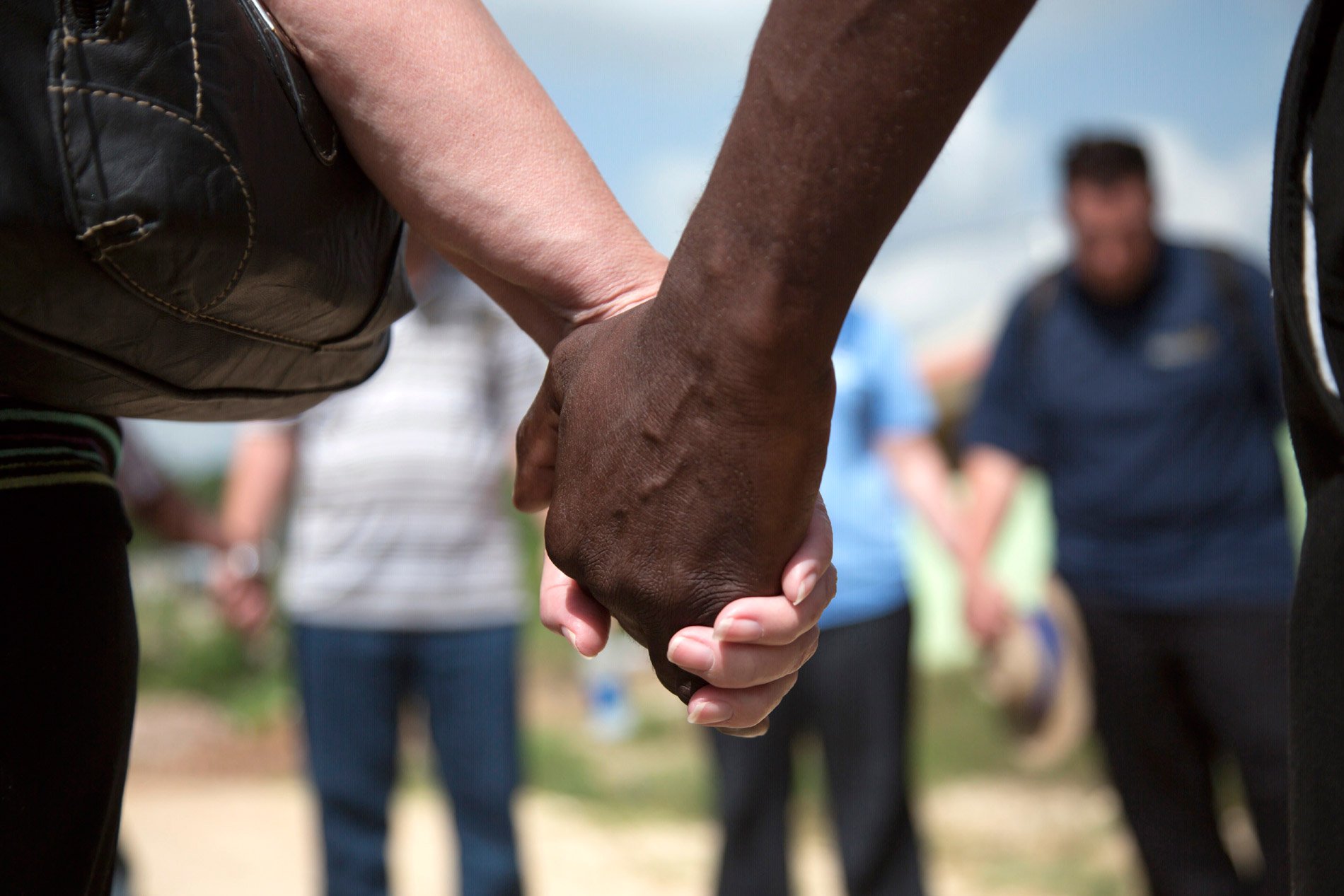
“This pain is like childbirth; it is difficult, but we pray that it will soon bring life and freedom,” says Sahar*, a Christian woman from southern Iran. “Please keep on praying. People here need hope. They need to know that there is a Saviour.”
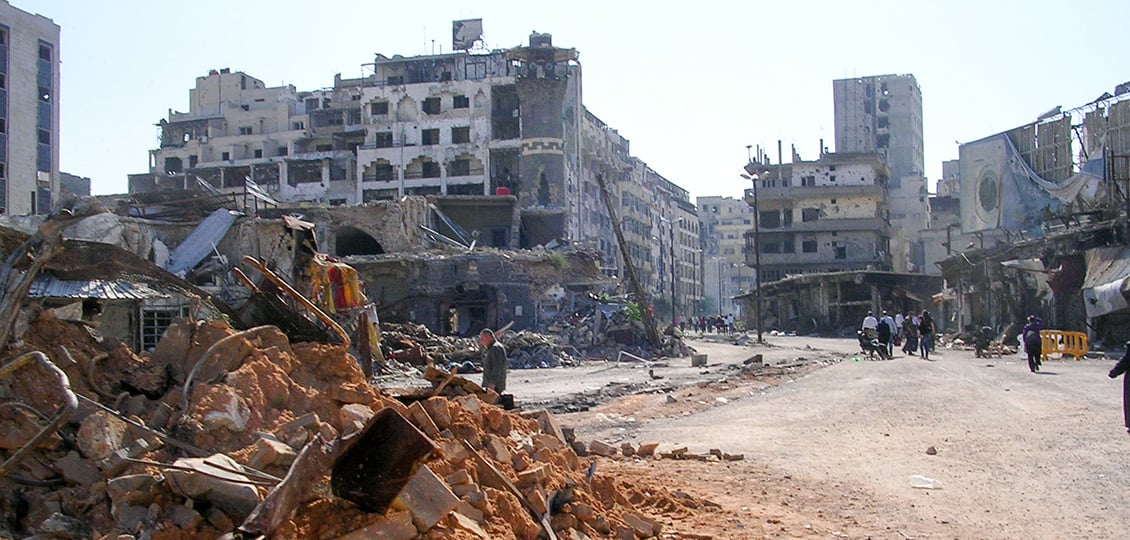
Sahar’s words reflect the general situation in Iran as the country concludes a violent week of military attacks and destruction. Reports suggest that the Iranian government has recently used schools and hospitals for military operations, meaning these safe spaces could become targets. This puts children and vulnerable adults at risk.
Recent reports indicate that conditions at Evin Prison, the notorious Tehran jail where political prisoners and Christians are held, have deteriorated. Food supplies and communications have been cut off, security is tight, and prisoners are being transferred to unknown locations. Prisoners are particularly vulnerable at present, not only because of what might happen to them inside the prison, but also due to the threat of an external attack.
On March 4th, the Israeli army issued an evacuation warning to all civilians living near Evin Prison. This is reminiscent of June 2025, when an Israeli missile struck the main entrance of Evin Prison during the Twelve-Day War between Israel and Iran. Currently, there are around forty-three Christian prisoners in Iran. They have all been arrested because of their faith in Jesus. While not all of them are in Evin Prison, those who are are at risk from possible new attacks.
The leadership situation in Iran remains uncertain following the death of Supreme Leader Ali Khamenei in recent military attacks. Unconfirmed reports are circulating that Mojtaba Khamenei, the late leader’s son, could be his successor. This creates unrest and fear about the country’s future and ongoing oppression, both among the general population and among analysts.
The country is currently experiencing a near-complete internet blackout. The authorities have previously employed this tactic to suppress communication and information. Millions of people are struggling to communicate with loved ones abroad and share their daily lives with them.
Urgent prayers
Iranian Christians have been praying and fasting for a long time, even before the conflict erupted. They mourned the government’s oppression and its harsh crackdown on protesting citizens, which has resulted in thousands of deaths. These prayers continue, and have become even more urgent due to the current conflict and the uncertain future. Believers are asking God for freedom, justice, courage, peace, and salvation for their nation.
“As I was driving along, I first thought I was imagining things, but then I saw it with my own eyes,” says Maryam*, a Christian woman from southern Iran, as she reflects on God’s promises and His faithfulness. “I saw water flowing through dry valleys, just as God promised. That hope lives in my heart: God is at work and His promises have not been forgotten. The salvation of Iran will certainly come to pass. Our Lord lives.”
Many Christians are hopeful, but they are also fearful for the future. “The atmosphere here is very oppressive and surveillance is strict,” says Sahar. “I feel stressed when I leave the house and always carry my mobile phone with me in case I am suddenly arrested. But I know that God is at work.”
Ahmad, a Christian man from a port city, embodies this hope “He gives us strength,” he says. “At a time like this, Psalm 94 brings me comfort. Although the psalm speaks of despair and injustice, it also declares that God sees, judges and acts.”
These testimonies remind us that the church in Iran remains united in prayer, despite fear and uncertainty. Christians live in the hope of God’s mighty work for a future in which Iranian believers can finally profess their faith freely. “We trust that a new future for Iran is on the horizon, at the right time and according to His will,” says Behzad*.
‘I HOPE WE CAN RETURN ONE DAY’
The pain and fear experienced at this time are not only felt by those inside Iran. Iranians all over the world, including Christians who have fled because of their faith, are also deeply affected by the news and the uncertainty, as well as the hope for change.
Mary* is a Christian woman who fled Iran and is now living as a refugee. “My brother was living with me in a neighbouring country and became a follower of Jesus there,” she explains. “He later returned to Iran and now works in the navy. He is currently on the front line.” Converts to Christianity in Iran, especially those required to serve in the military, cannot speak openly about their faith. “Please pray for his protection, that his faith may remain strong, and that he may keep his eyes fixed on Jesus during this time of fear and conflict,” Mary asks.
Arina*, a young Christian woman, recently fled Iran with her family and now lives abroad. She articulates the emotional strain experienced by many in the Iranian diaspora. “It was very difficult for me to leave home and my life behind,” says Arina. “When we heard about the protests, I longed to be with my people, protesting and chanting in the streets. I missed that. Even now, I know it is a difficult and dangerous time, but I wish I were still in my own country. I hope we can return one day, and I hope it will be soon. It breaks my heart that I can’t be in my country these days.”
These stories remind us that war shapes not only a nation’s future, but also affects families across borders. It separates loved ones, stirs up longing and keeps many awake at night praying for Iran. Let us join Iranian believers in praying for their country, knowing that God is all-powerful.
(* Pseudonym)